
DAY 5
SONGS OF A SAD SAILOR
BUILDING
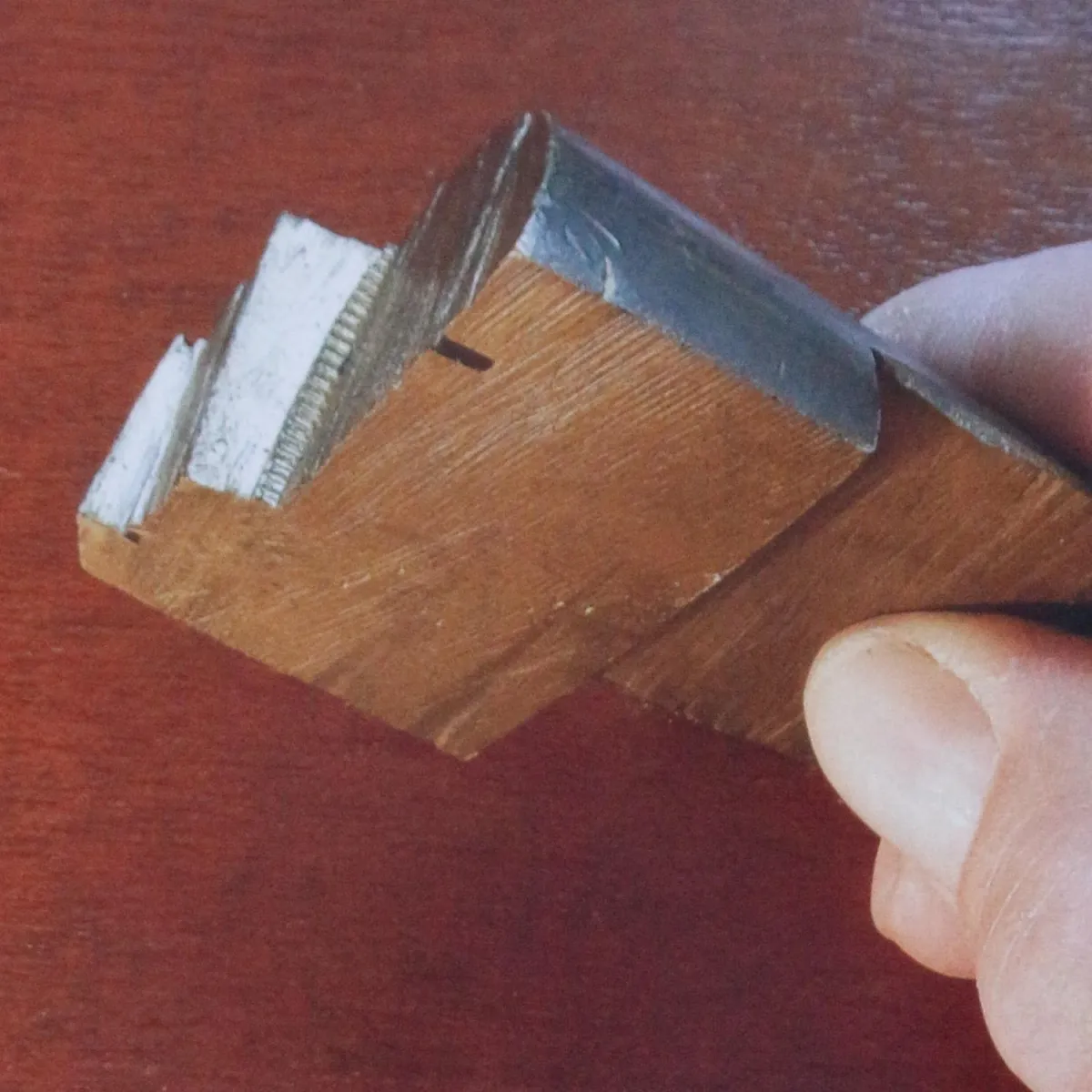
The brass bars from the headboard of the thrown-away bed that Runar managed to get permission to take were two inches wide and made of rough brass - a perfect material to make his miniature tools and the metal parts for his ship model!
The picture shows one of the brass bars that Runar managed to lay his hands on, and that he turned into both tools as well as details for his remarkable model! It’s the only remnant of the materials he used.
But yet another piece in the puzzle had to be in place. The prisoners were allowed to engage in hobby activities, like theatre plays, choir singing, vegetable growing and bridge playing, but anything that could be used as a mean to escape was strictly prohibited. No radio receiver building, no photography, and absolutely no boat building.
As Runar’s plan was to build a model in the size of 2,4 meters, he had to seek permission from the Ministry of Home Affairs in London.
They thought his model was planned to be big enough so it would a carry a young man desperate to escape, so they first turned the application down.
Runar argued that it would be much more comfortable to paddle out on one of the railroad ties laying around than on his ship model with the rig and all the details, and finally got the permission.
Runar took his project on wholeheartedly.
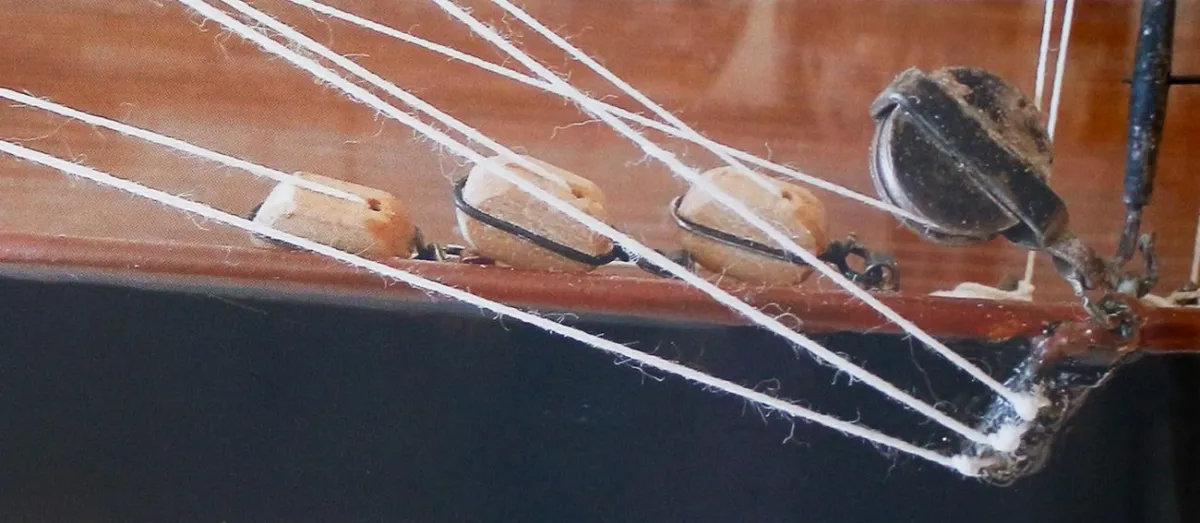
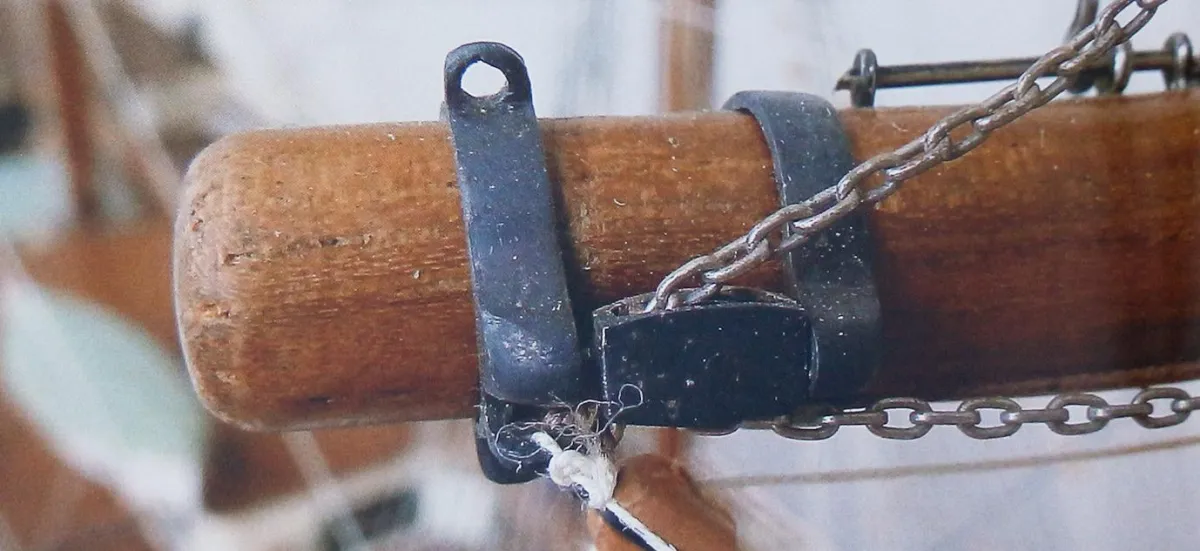
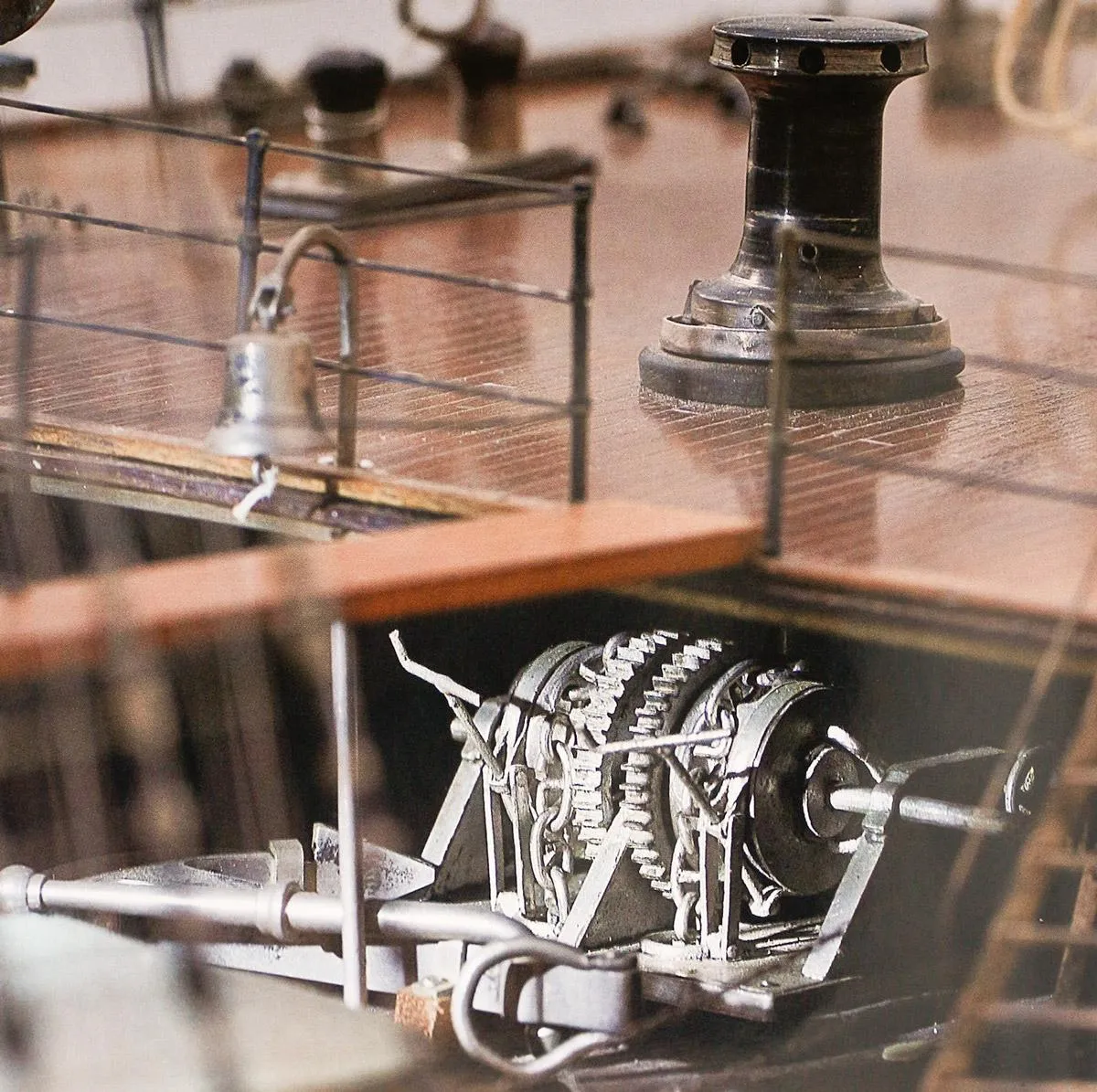
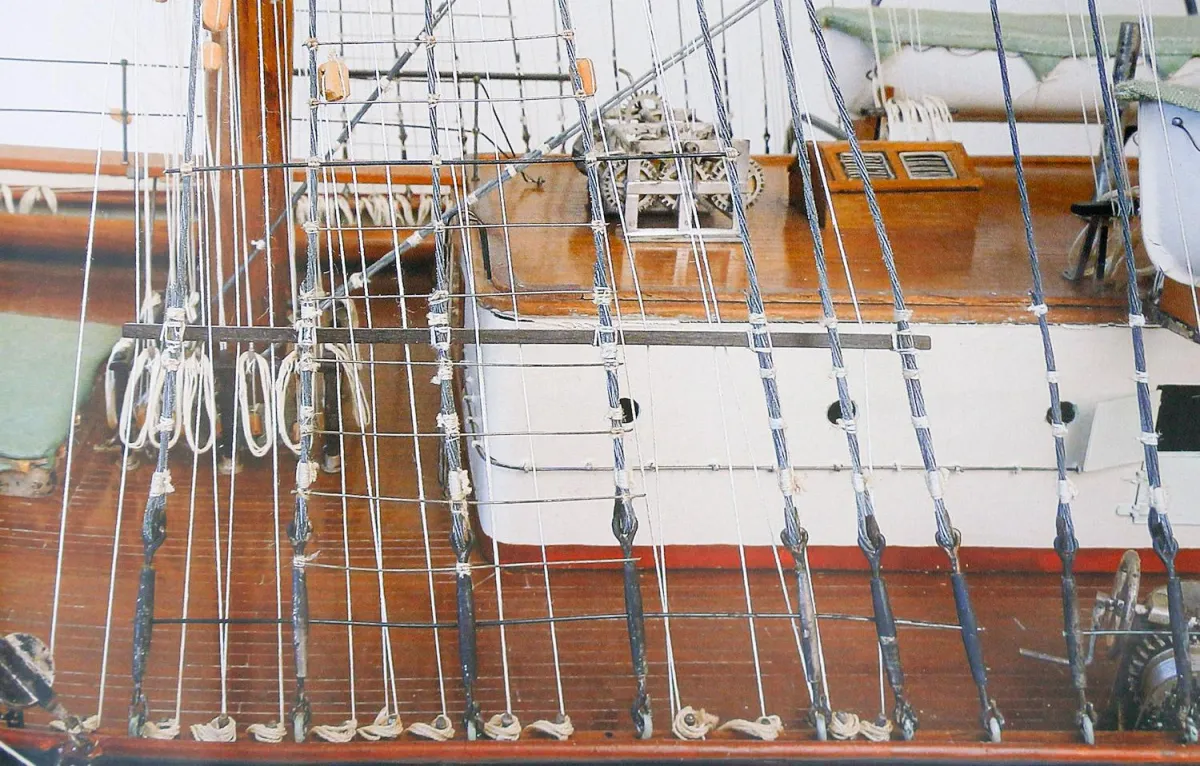
The days flew by while he manufactured hundreds and thousands of small details. Windlass, railings, fittings, handrails… Machine equipment, tiny winches that ruled the rig and could require 82 tiny parts… Turnbuckles no larger than 1 millimeter…
He worked on the parts, but he didn’t assemble the masts and the rig to the hull. He was clearly counting on being able to return home, and thought it would be hard to bring his 2,4 meter mini ship if it was fully mounted.
Working with the project of building his biggest and most beautiful model of Ponape ever made his worries fade away and gave meaning to his days. He got totally into flow by his work, which demanded all his skills and creativity, and that kept him up.
PERFORMANCE OF TODAY'S SONG
TODAY'S SONG: EVER
ABOUT THE SONG EVER
Full speed forward!
Things line up!
Eagerness to get started!
The ideas are flowing, opportunities open up! Endless possibilities!
Fresh air, you look to the sky and you can breath again!
Going from seeing time as an enemy to kill - to enjoy having time enough to make an extraordinary project! One that takes your thoughts away from all your problems and brings you into flow!
The feeling of taking off, leaving shore with the most slender and beautiful longhaul sailing ship, the four-masted bark Ponape!
The waves and the glitter in the water!
MY STEINWAY FRIEND
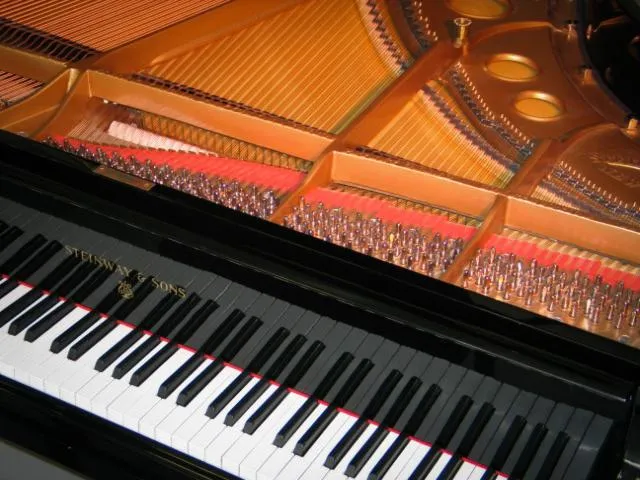
I wrote this piece a late afternoon at the wonderful Steinway grand piano in the music department of the upper secondary school where I taught music. The students and colleagues had all gone home, but I had no hurry, sitting there fantasizing in tones. Swirling waves, long horizon, light reflections on the water. A sense of wonder, of contact. Joy and lust for life.
This Steinway was a wonderful instrument, I miss it like a friend. Unfortunately the room wasn’t good for recordings, because the trains passed just by, and there was quite some noise from ventilation in the building.
———
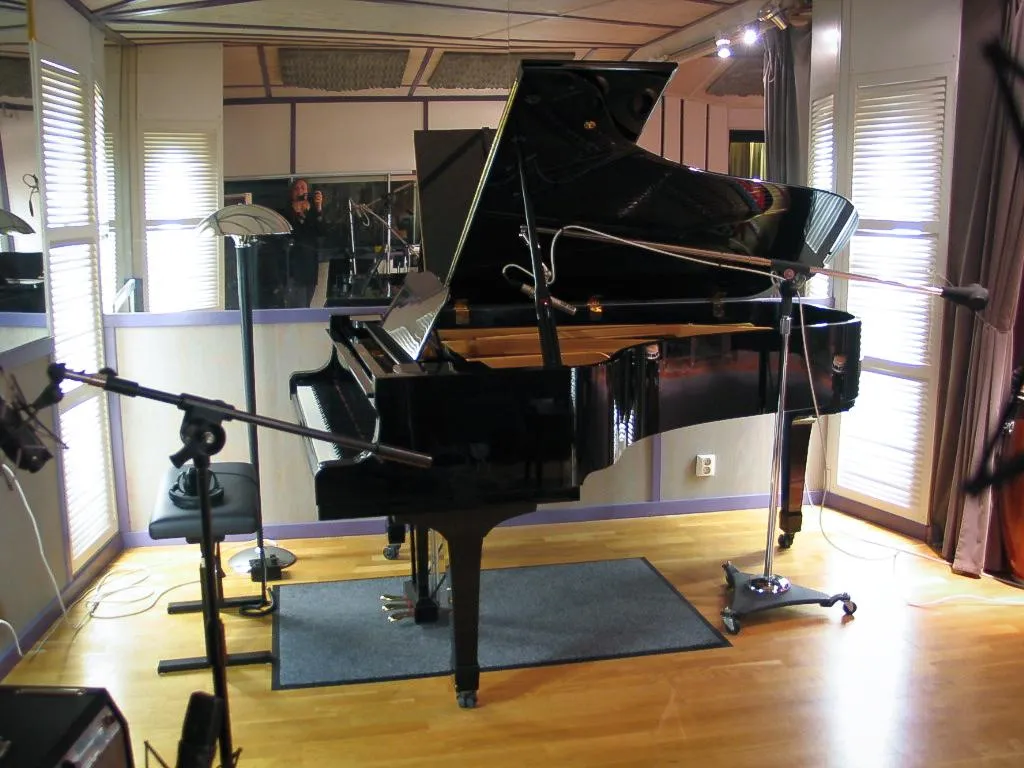
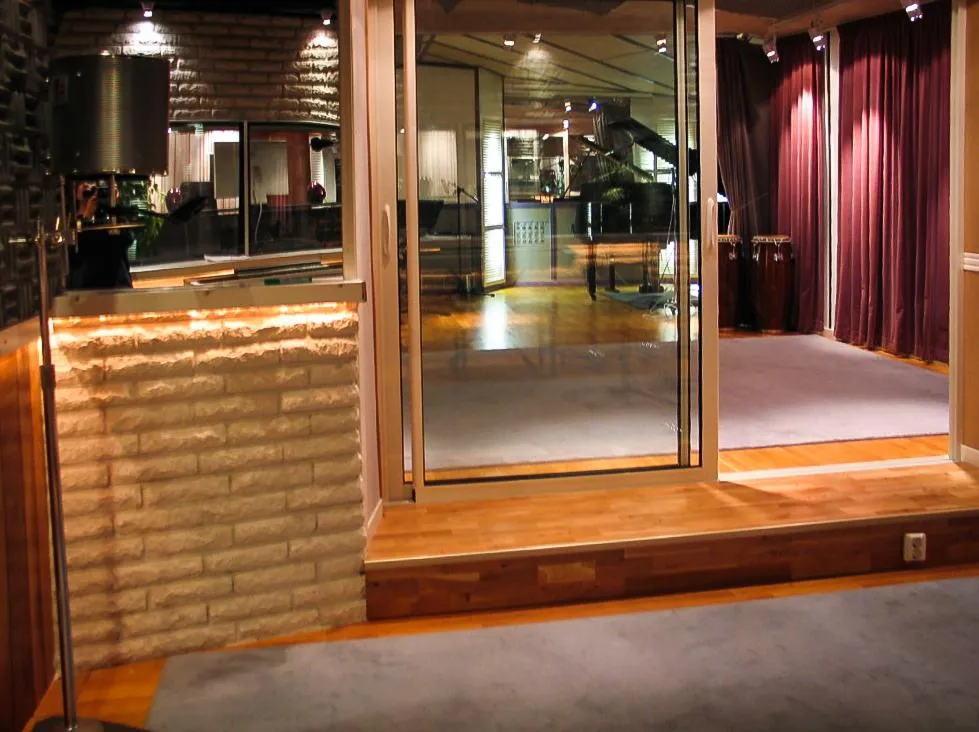
I got the opportunity to record the piece in the beautiful luxuriously big OAL Studio in Sollentuna, where a lot of the Swedish jazz elite have made their records. There aren’t many left of these big room studios from the seventies anymore.
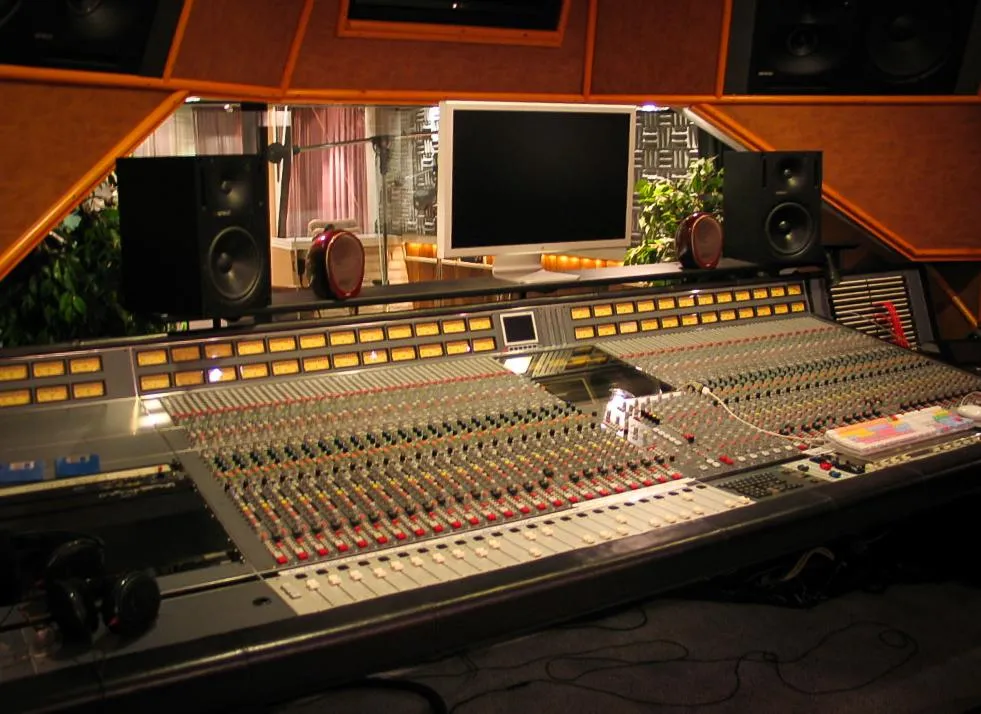
ARTWORK IN PROGRESS
Being an independent artist with no record company or team behind you means you get to make everything yourself. Every little aspect of a music career is to be learnt and managed. Sometimes it’s exhausting, but it’s also so much fun! I love to learn new things, and today we have access to so much learning materials online - for free or for cheap. Affordable software for making all sorts of stuff we could only dream of before is also accessible to anyone who takes the time to learn it! We do live in an amazing time in that regard.
For a very long time I had thought about how cool it would be if I could make my own CD cover in the style of the beautiful ornamented covers of the old 1800 and early 1900 century piano books I loved so much when growing up.
So I decided to learn Photoshop, and I made the design for the CD artwork of Songs of a Sad Sailor by combining elements from an 1800’s advertisement with a graphic of Ponape and old fashioned fonts for the snippets of text.
Here are some pictures from how it was developed.
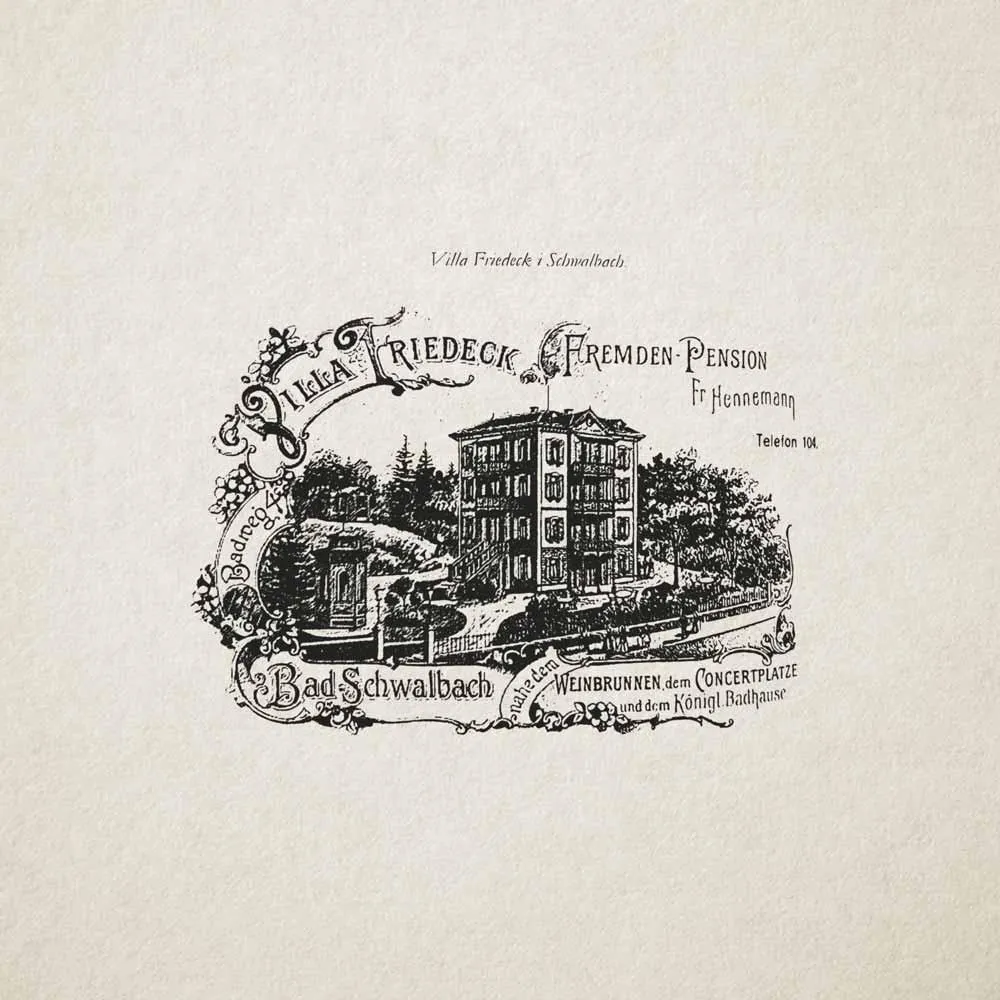
I found this 19th century ad in a book about Alfred Munthe. I liked the ornaments of it, and took a photo, which I put over an old paper background in Photoshop.
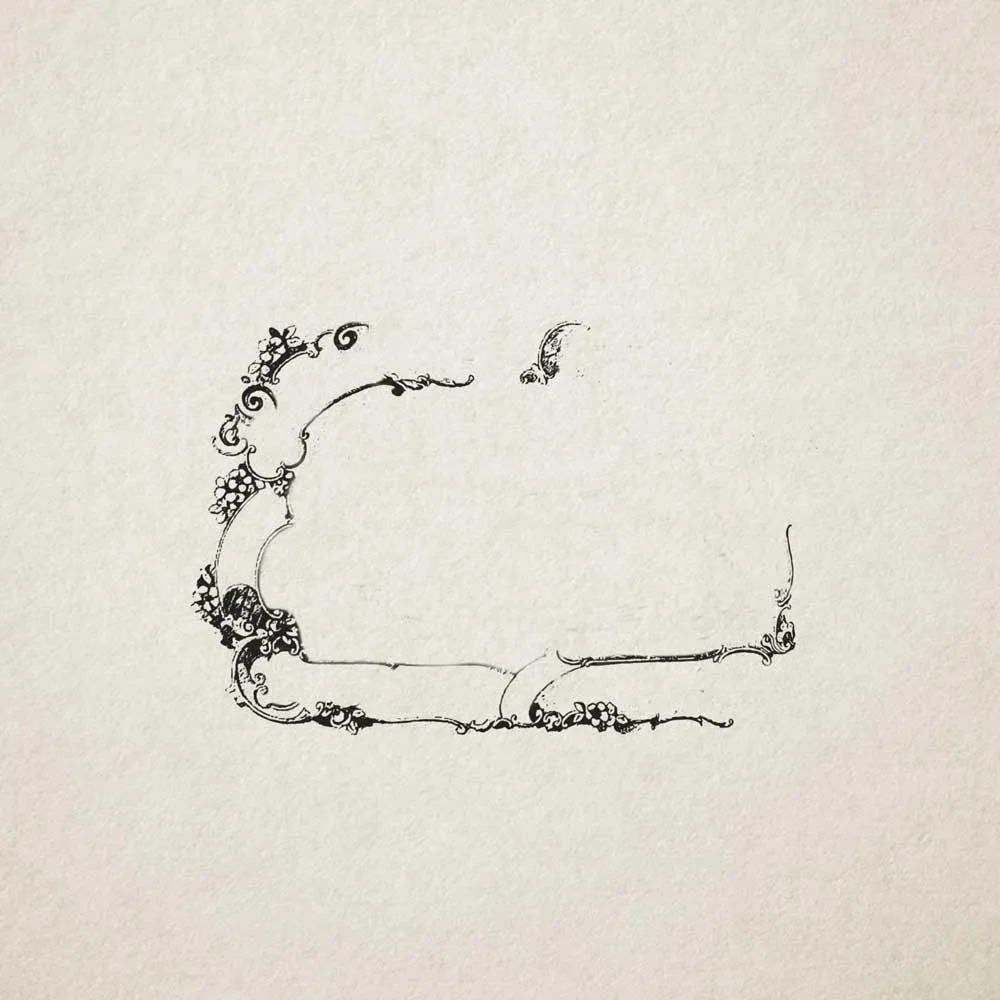
These are the ornaments left when I had masked off everything I wanted to replace with other elements.
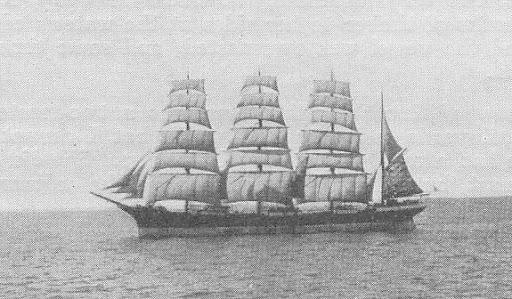
Then I took this old photo of Ponape…
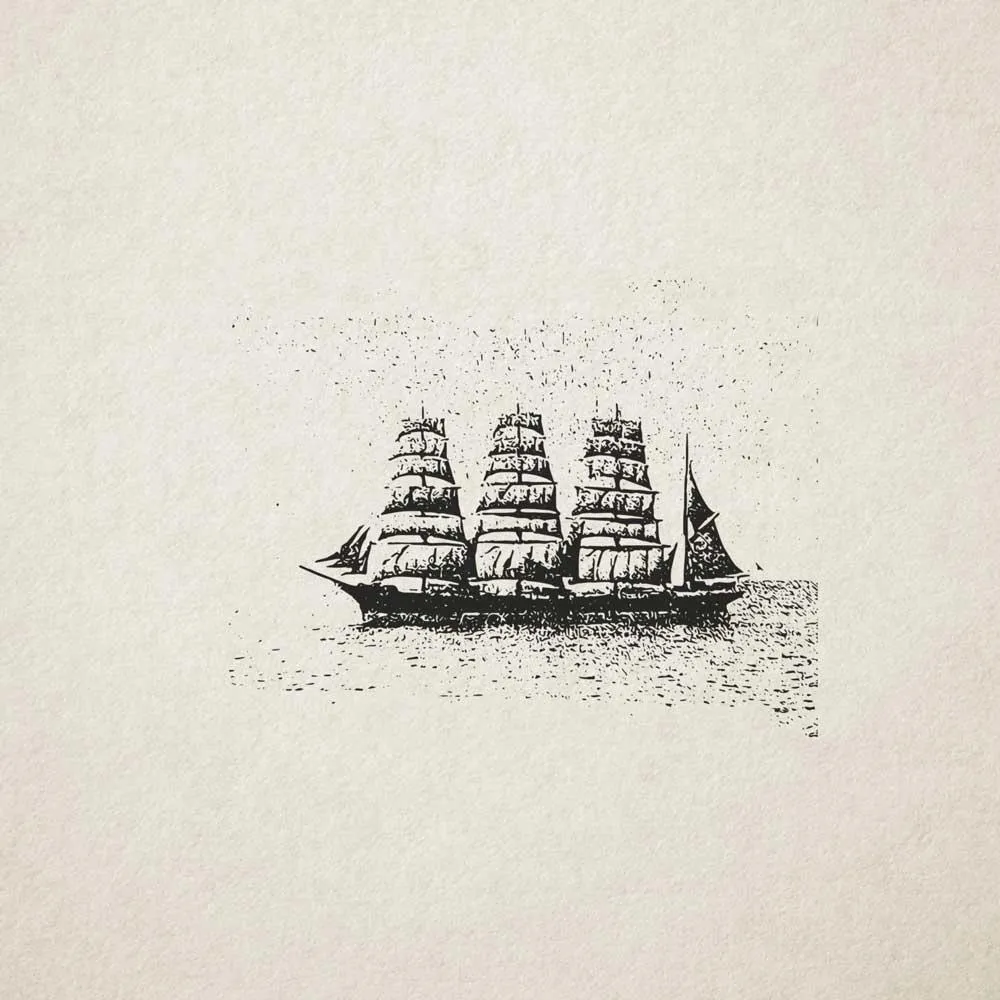
… and transformed it with the help of the mobile app Adobe Capture…
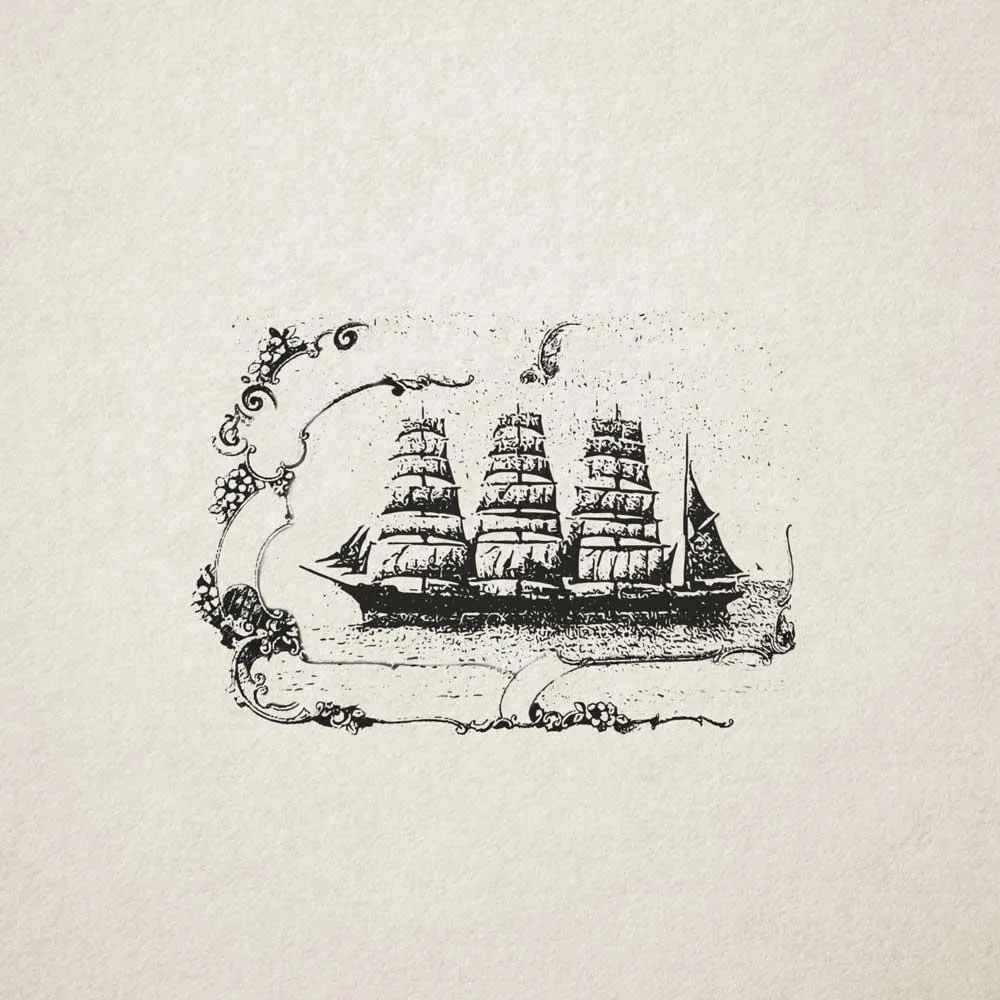
…. and placed it inside of the ornaments from the ad.
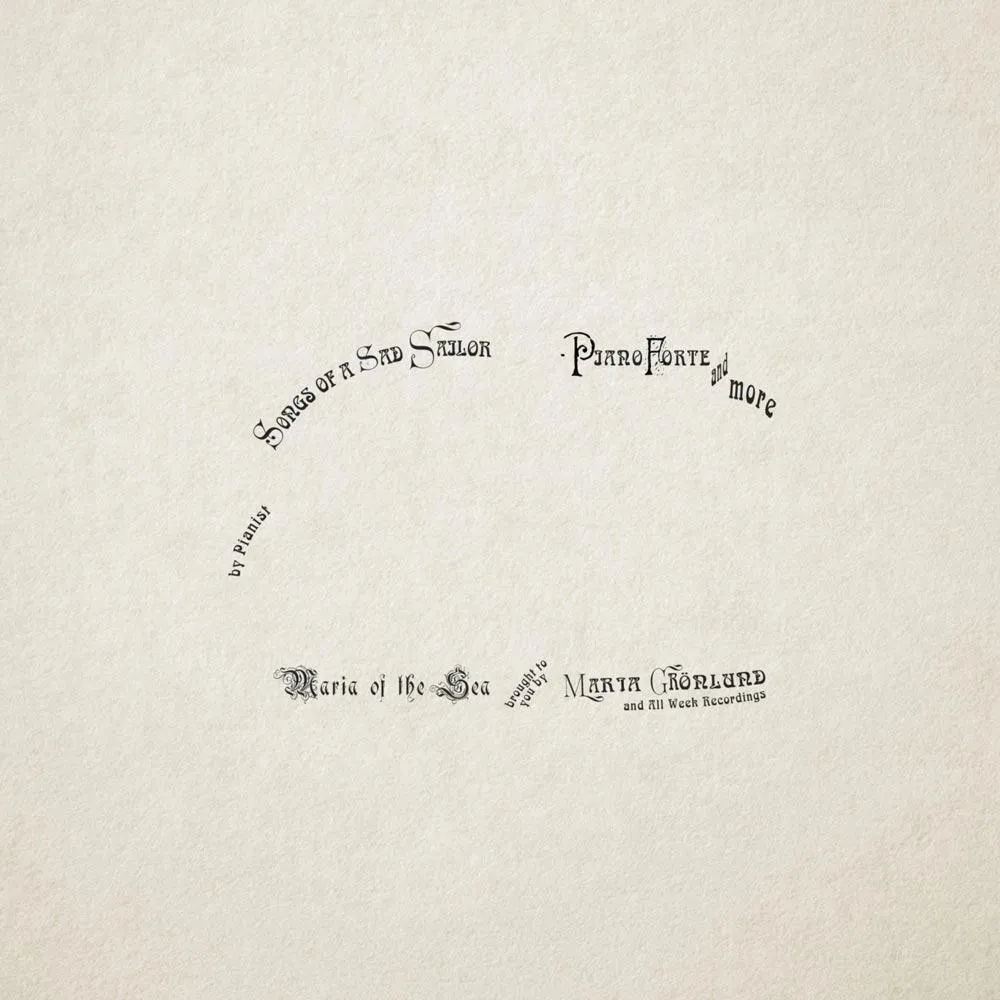
I then spent a lot of time searching for the exact right fonts for the text snippets I wanted to include. A lot of experimentation went into the bending and curving of the text. I’m sure experienced designers do that in a blink of an eye, but if you’ve never done it before it’s a whole other question.😅
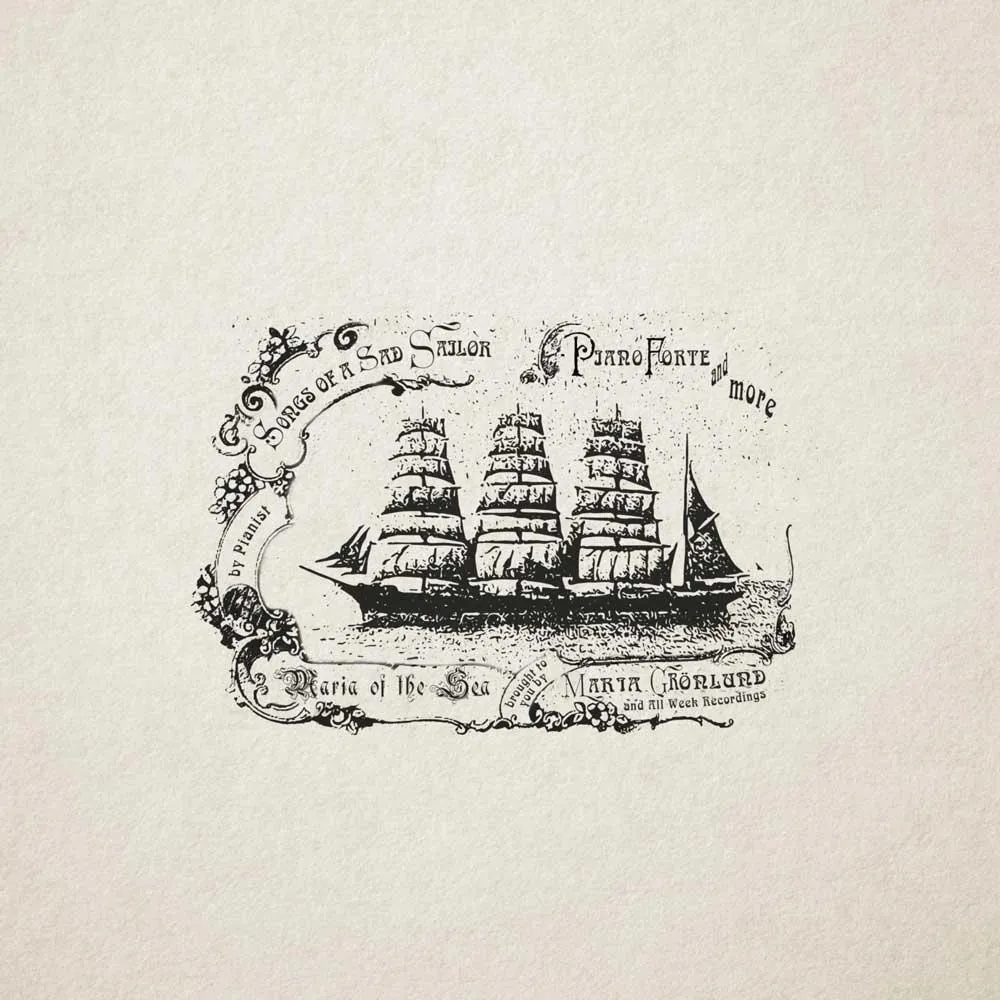
After a lot of tweaking and masking and editing, the result came out like this.
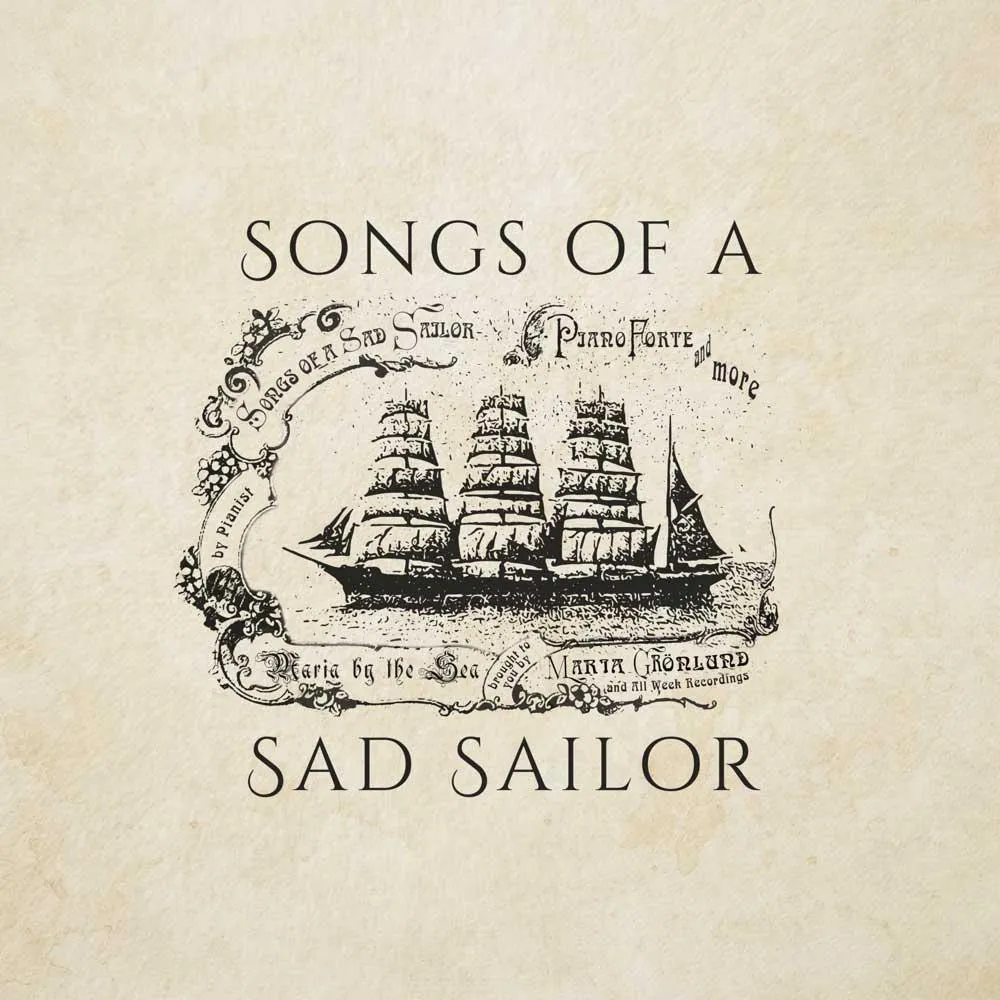
And lastly - a font for the title was chosen, and placed above and underneath the image. I felt it looked better in the square format that’s needed for CD covers and digital streaming platforms, with the bigger letters surrounding it..
QUESTION FOR YOU
Is the record artwork important to you?
Do you have any favorite artworks in your record collection?
TOMORROW
Sweet reunions AND another turning point in the next episode of the story of the Sad Sailor.
Don’t miss it!
- Maria